Brighten Your Residential Or Commercial Property: The Most Effective Practices for Landscape Lighting Style
Effective landscape Lighting layout plays a crucial duty in improving a building's aesthetic and safety. By recognizing the function behind each Lighting choice, one can develop a harmonious ambience. Choosing the appropriate components and preparing a thoughtful layout are crucial steps. The secret to truly transforming a space lies in recognizing which features to highlight and just how to do so. What methods can one use to attain a stunning yet functional landscape?
Recognize the Purpose of Landscape Lighting
Landscape Lighting serves a twin function: boosting safety and security and raising aesthetic appeal. Correctly developed Lighting lights up pathways, actions, and driveways, lowering the threat of crashes during nighttime. By highlighting these crucial areas, property owners can make certain that visitors navigate their building securely. Additionally, landscape Lighting can discourage possible trespassers by lighting up dark corners and entrance points, therefore improving security.
Along with safety, landscape Lighting plays a significant duty in showcasing the beauty of a residential property. Thoughtfully positioned lights can emphasize building features, foliage, and water components, developing an exciting ambiance after sundown. Various Lighting strategies, such as uplighting and downlighting, can change an ordinary outdoor space right into an enchanting sanctuary. Eventually, understanding the function of landscape Lighting allows home owners to produce a harmonious balance in between security and appearances, enhancing both the capability and aesthetic allure of their outside environments.
Select the Right Fixtures
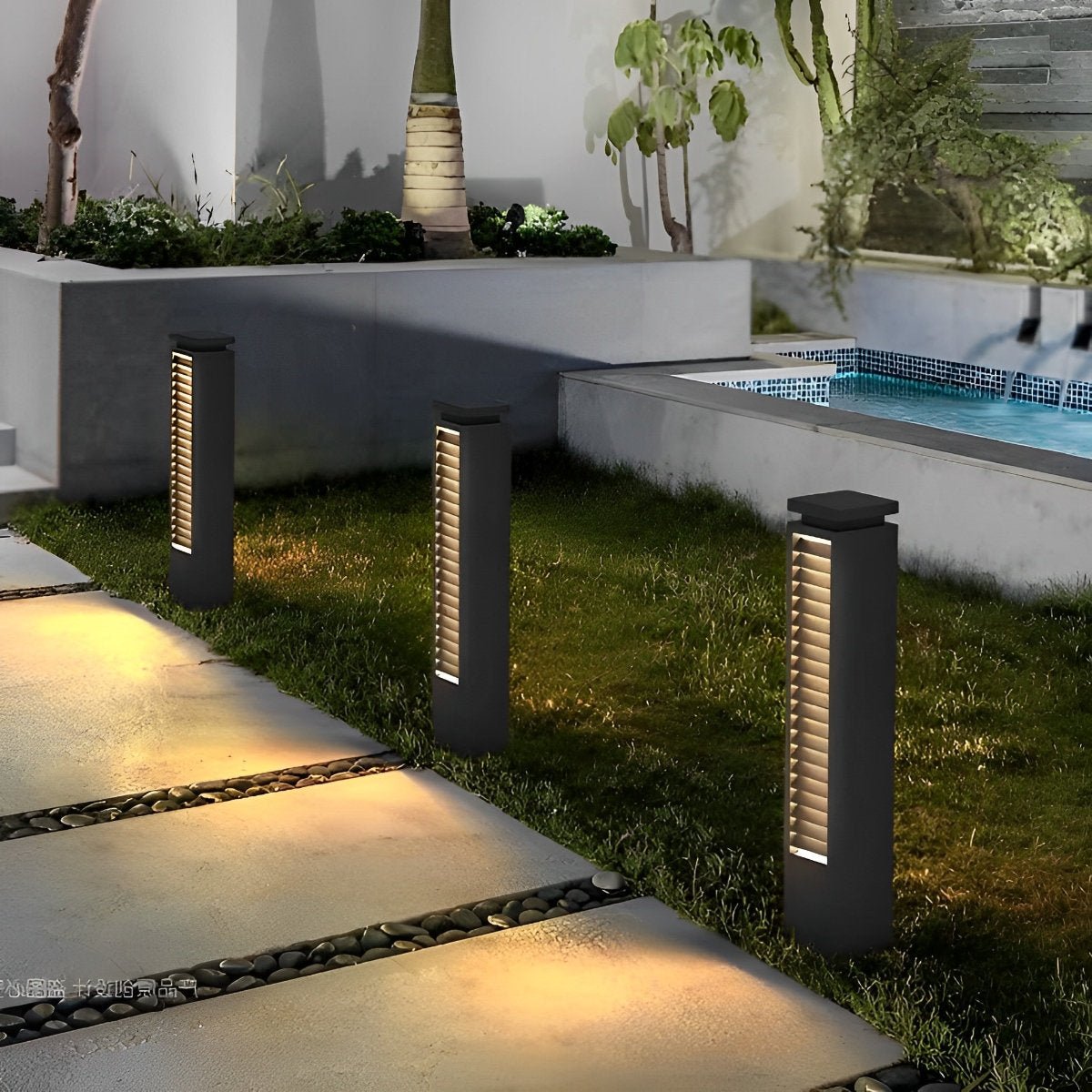
Picking the suitable components is essential for attaining both capability and aesthetic charm in landscape Lighting style. The selection of fixtures need to line up with the certain requirements of the room, taking into consideration variables such as longevity, design, and brightness. Different kinds of components, including path lights, spotlights, and wall surface sconces, offer different objectives, from enlightening pathways to highlighting architectural attributes.
Products additionally play a crucial function; alternatives like copper and stainless steel deal longevity and resistance to weather, ensuring the components stay aesthetically appealing in time. In addition, making use of energy-efficient LED lights can improve performance while reducing energy costs.
Eventually, choosing the best fixtures entails balancing visual effect with sensible factors to consider, thereby developing an unified setting that boosts the building's general beauty and safety and security - landscape lighting nashville. This thoughtful strategy lays the groundwork for a successful landscape Lighting layout that fulfills both functional and visual goals
Plan Your Lighting Layout
A well-balanced Lighting layout can substantially enhance the performance and charm of exterior areas. To produce a reliable style, it is vital to analyze the building's distinct features and understand how they can be highlighted through Lighting. Property owners should start by laying out a layout of the landscape, noting vital areas such as yards, patios, and walkways. This graph aids in arranging the design and ensuring appropriate protection.
Next off, they need to think about the function of each Lighting component, whether it is for safety, setting, or aesthetics. Integrating various kinds of Lighting, such as course lights, limelights, and wall sconces, can produce a natural look while serving particular functions. Preparation the placement of fixtures is vital; they need to be placed to stay clear of glow and create an inviting ambience. Testing the design prior to installation allows for changes, guaranteeing the last outcome is both useful and visually enticing.
Aesthetically Focus on Key Features
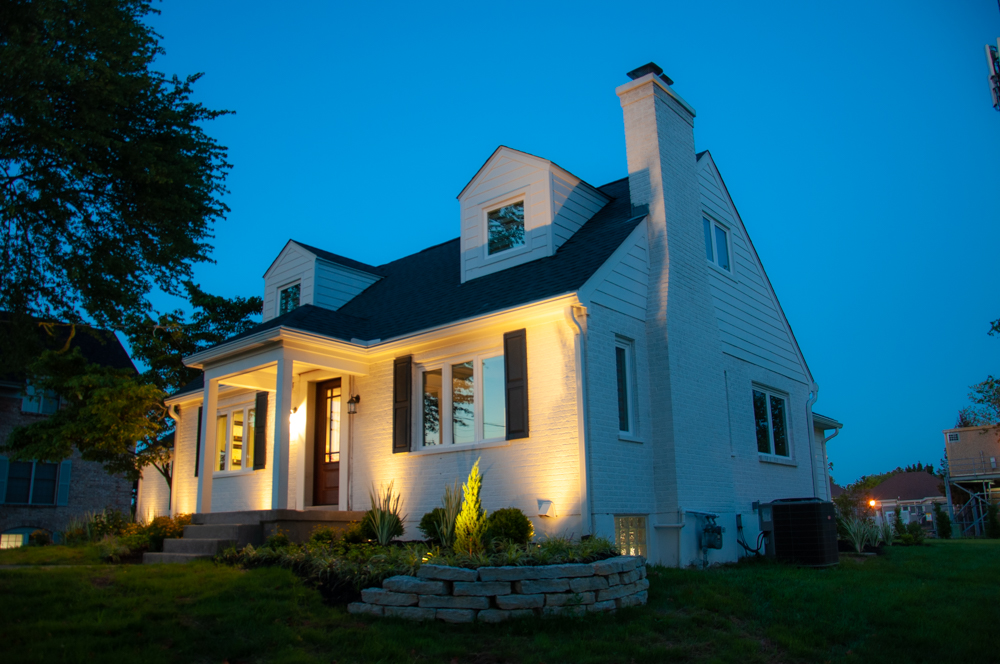
Highlighting crucial functions in the landscape can change an outdoor room right into a captivating environment. Strategic Lighting can attract attention to particular elements such as trees, sculptures, or architectural information of a home, creating a focal factor that improves the general visual. By making use of different kinds of components-- such as spotlights, uplights, or path lights-- developers can effectively showcase these functions while adding deepness and measurement to the environments.
In addition to enhancing elegance, highlighting essential features also enhances safety and security and visibility, particularly in sidewalks and entry points. residential landscape lighting. This technique not only enriches the landscape yet also invites guests to discover the building even more. It is necessary to pick the ideal strength and shade temperature of light, making certain that the attributes are brightened without frustrating the senses. By attentively preparing which aspects to highlight, landscape Lighting can develop an unified balance in between functionality and artistic expression
Think about the Angle of Light
Understanding the angle of light is important in landscape Lighting design. The angle at which light is cast can considerably influence the perception of a space. By illuminating features from different angles, developers can create depth and structure, enhancing the total visual. A low angle may emphasize the height of trees or building components, casting long shadows that add dramatization. Alternatively, a high angle can give uniform illumination, reducing severe contrasts and promoting a softer setting.
Moreover, the angle of light impacts exposure and safety and security. Poorly angled lights can produce glare or odd important paths and barriers. It is essential, as a result, to analyze each area's special attributes, consisting of the positioning of components and the surrounding environment. Appropriate factor to consider of light wikipedia reference angles not just highlights centerpieces yet additionally makes certain capability and security, enabling homeowners to appreciate their outdoor areas both day and evening.
Use Layers of Lighting
Including several layers of Lighting can considerably improve the overall effect of a landscape design. By integrating ambient, job, and accent Lighting, residential or commercial property owners can create a dynamic and welcoming environment. Ambient Lighting provides general illumination, making certain safety and presence across the whole area. Job Lighting concentrates on specific areas, such as pathways or seating, permitting for useful usage after dark. Accent Lighting highlights architectural functions, trees, or garden elements, adding depth and passion to the landscape.

Choose Energy-Efficient Solutions
In landscape Lighting layout, deciding for energy-efficient remedies can dramatically reduce electrical power prices and environmental effect. LED Lighting provides long-lasting performance and reduced energy usage compared to typical light bulbs. Furthermore, solar-powered choices provide a sustainable choice, using natural power to light up exterior spaces effectively.
LED Lighting Advantages
As house owners increasingly prioritize sustainability, LED Lighting becomes a top selection for landscape Lighting layout due to its energy effectiveness and lengthy life-span. Compared to conventional incandescent bulbs, LEDs take in as much as 80% much less power, significantly decreasing electrical energy costs. Their durability contributes to their allure; with life-spans balancing 25,000 hours or more, they require less frequent replacements, further reducing waste. LEDs additionally produce much less warmth, lowering the threat of burns and fire hazards in outdoor setups. In addition, they are available in a range of colors and brightness levels, providing flexibility in layout. This versatility permits house owners to produce personalized lighting plans that enhance the charm and safety of their landscapes, making LED lighting a smart financial investment for modern-day outside rooms.
Solar-Powered Options
While home owners look for sustainable solutions for their exterior rooms, solar-powered landscape Lighting sticks out as an energy-efficient option. These systems harness sunlight during the day, converting it right into power for nighttime illumination, thereby lowering power expenses. Solar lights are easy to mount, requiring no wiring or electric work, making them an optimal choice for do it yourself lovers. Available in numerous designs, they can improve the aesthetic charm of pathways, yards, and patios. Additionally, innovations in solar innovation have actually enhanced illumination and durability, making certain dependable performance. Correct placement is vital; placing lights in areas with adequate sunshine exposure optimizes their effectiveness. Generally, solar-powered this post options provide an environmentally friendly Lighting option that enhances contemporary landscaping layouts.
Keep Your Landscape Lighting
Normal upkeep of landscape Lighting is essential for guaranteeing both capability and visual appeal. House owners should consistently examine fixtures for particles, rust, and dust, as these can lessen light result and effectiveness. Cleaning up lenses and replacing burnt-out bulbs quickly can improve illumination and extend the lifespan of the system. Additionally, inspecting circuitry and links is crucial to avoid electrical issues that may occur gradually.
Seasonal modifications, such as repositioning fixtures or adjusting timers, can optimize Lighting effects throughout the year. Trimming bordering plant life aids keep clear sightlines, making sure that light reaches meant areas.
When making use of solar-powered alternatives, it is important to monitor battery efficiency and solar panel placement to guarantee optimal direct exposure to sunlight. Regular upkeep not only protects the Lighting system's functionality but additionally improves the overall elegance of the landscape, producing a welcoming ambience for guests and residents alike.
Regularly Asked Concerns
What Are the most effective Kinds Of Bulbs for Landscape Lighting?
LED light bulbs are typically concerned as the best choice for landscape Lighting because of their energy effectiveness, longevity, and reduced heat exhaust. Additionally, they offer a series of color temperature levels to improve exterior aesthetics properly.
How Can I Make Certain Security With My Landscape Lighting?
To ensure safety and security with landscape Lighting, one ought to make use of weather-resistant fixtures, protected circuitry to stop tripping threats, employ low-voltage systems, and tactically position lights to light up paths while reducing glow and dark spots.
What Is the Typical Price of Installing Landscape Lighting?
Just how Often Should I Change My Landscape Lighting Fixtures?
Landscape Lighting fixtures need to usually be replaced every 5 to 10 years, depending upon aspects like worldly high quality, direct exposure to elements, and usage. Routine click reference upkeep can prolong their life-span, ensuring optimal performance and aesthetic appeals.
Can I Set Up Landscape Lighting Myself, or Should I Work with an Expert?
Individuals can set up landscape Lighting themselves, provided they possess standard electrical understanding and skills. Working with an expert guarantees safety, adherence to local codes, and optimum design, inevitably improving the home's visual charm and functionality.